
Favorite Products For Fire Damage Restoration To Ensure Safety and Quality
Browse trusted products designed to remove smoke, soot, and damage, restoring properties to their pre-fire condition.
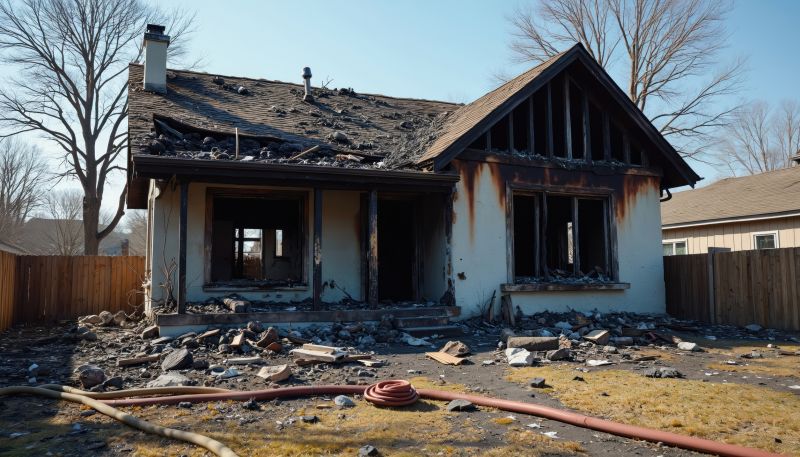 Fire restoration is a critical process that involves multiple steps to effectively address damage caused by fire, smoke, and soot. The primary goal is to restore the affected property to its pre-loss condition while ensuring safety and minimizing further deterioration. This process often includes cleaning and removing soot and smoke residues, dehumidifying and drying affected areas, and repairing structural components. Utilizing the right products is essential for achieving thorough and efficient restoration, especially in residential and commercial settings.
Top Overall Option
Multi-Purpose Fire Damage Restoration Kit
A versatile collection of cleaning agents, odor neutralizers, and protective gear designed to address various aspects of fire damage. This comprehensive kit offers a practical solution for both professionals and serious DIY restorers seeking a one-stop set for fire cleanup and repair.
Types of Products For Fire Restorations
Soot and Smoke Cleaners
Specialized solutions formulated to break down and remove soot and smoke residues from surfaces and materials.
Odor Neutralizers
Products designed to eliminate persistent smoke odors from indoor environments.
Dehumidifiers
Industrial-grade units used to dry out affected areas and prevent mold growth.
Air Movers and Fans
Equipment that facilitates air circulation to speed up drying and remove airborne contaminants.
Personal Protective Equipment
Masks, gloves, suits, and eye protection to ensure safety during restoration work.
Surface Sealants
Sealants used to prevent soot and smoke residues from penetrating porous surfaces.
Cleaning Wipes and Cloths
Pre-moistened wipes and reusable cloths for quick cleanup of soot and residues.
Electrostatic Sprayers
Tools for applying disinfectants and odor neutralizers evenly across surfaces.
Drying Mats and Absorbent Pads
Materials used to absorb excess moisture from carpets and floors.
Fire Damage Repair Adhesives
Specialized glues and epoxies for repairing structural components damaged by fire.
Thermal Foggers
Devices that disperse deodorizing agents to penetrate deep into affected areas.
Water Extraction Equipment
Heavy-duty pumps and vacuums for removing water used during firefighting efforts.
Paint and Surface Primers
Products to prepare surfaces for repainting after cleaning and repair.
Fire-Resistant Drywall and Insulation
Building materials designed to withstand high temperatures and prevent further damage.
Chemical Sponges
Specialized sponges used to lift soot and smoke residues without smearing.
Popular Choices
Widely used for neutralizing strong smoke odors in residential and commercial spaces.
Commonly selected for their effectiveness in cleaning soot from various surfaces.
Popular for rapid drying and moisture control after fire suppression.
Favored for even application of disinfectants and odor neutralizers.
Essential for safety during cleanup, often chosen for comfort and coverage.
Effective for localized odor control in small or hard-to-reach areas.
Comprehensive sets that include a variety of cleaning and safety products.
Popular for removing airborne soot and smoke particles during cleanup.
Commonly used for removing water from flood and firefighting efforts.
Chosen for their ability to lock in soot and prevent future odors.
Selected for rebuilding efforts to enhance safety and fire resistance.
Popular for deep-penetrating deodorization in affected areas.
Convenient for quick spot cleaning and soot removal.
In fire restoration, specialized cleaning agents and equipment are used to break down and remove stubborn soot and smoke residues that can cling to surfaces and materials. Dehumidifiers and industrial air movers help eliminate residual moisture, preventing mold growth and further damage. Additionally, odor removal products are often employed to neutralize persistent smoke smells, which can linger long after the flames are extinguished. Proper use of these products not only improves the aesthetic and structural integrity of the property but also contributes to a healthier indoor environment.
Restorers often need a variety of products tailored to different surfaces and materials, including porous and non-porous items. For example, certain cleaning agents are designed specifically for textiles, while others are suitable for hard surfaces like wood, metal, or drywall. Personal protective equipment (PPE) such as masks, gloves, and suits also play a crucial role in safeguarding workers from harmful residues and airborne contaminants during the restoration process. Selecting appropriate products based on the scope of fire damage is vital for safety and effectiveness.
Ultimately, the choice of products for fire restoration depends on the severity of the damage, the types of materials affected, and the specific needs of the property. Professionals in Leander, TX, and beyond rely on a comprehensive array of tools and supplies to ensure a safe and thorough restoration. Proper training and product knowledge are essential for achieving optimal results and restoring properties efficiently after fire incidents.
Key Buying Considerations
- Assess the extent of fire and smoke damage to determine the necessary products.
- Identify surfaces affected, such as porous materials, hard surfaces, or textiles.
- Ensure products are compatible with the materials being cleaned to prevent damage.
- Consider safety features and PPE requirements when selecting cleaning agents.
- Evaluate the drying capacity of dehumidifiers and air movers to match the size of the area.
- Look for odor neutralizers that are effective against persistent smoke smells.
- Choose equipment and supplies that are easy to operate and maintain.
- Prioritize products with clear instructions and safety data sheets.
- Determine if professional-grade equipment is needed for severe damage.
- Check for certifications or standards that indicate product efficacy and safety.
- Consider the ease of disposal or cleaning of used products and materials.
- Budget for ongoing maintenance or replacement of equipment used in restoration.
- Review local regulations regarding the use of chemical products and safety protocols.
- Plan for adequate ventilation during and after the restoration process.
- Consult with fire damage restoration professionals for product recommendations.