
Optimal Seasons for Fire Restorations
Fire restorations are most effectively performed during periods of stable weather, typically in the late spring and early fall. These times allow for optimal conditions for cleanup, drying, and reconstruction, reducing the risk of weather-related delays. Conducting restorations during these seasons can help expedite the process and ensure thorough remediation.
Spring and fall offer moderate temperatures and lower humidity, ideal for fire damage restoration projects.
Avoiding extreme weather conditions like heavy rain or heat waves can prevent delays and complications.
Preparing the property during off-peak seasons can lead to faster scheduling and completion.
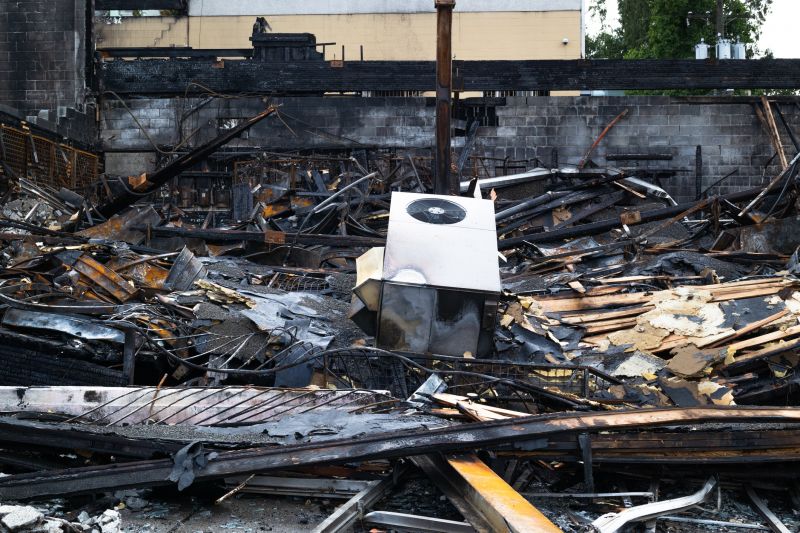
Fire damage cleanup process in progress.
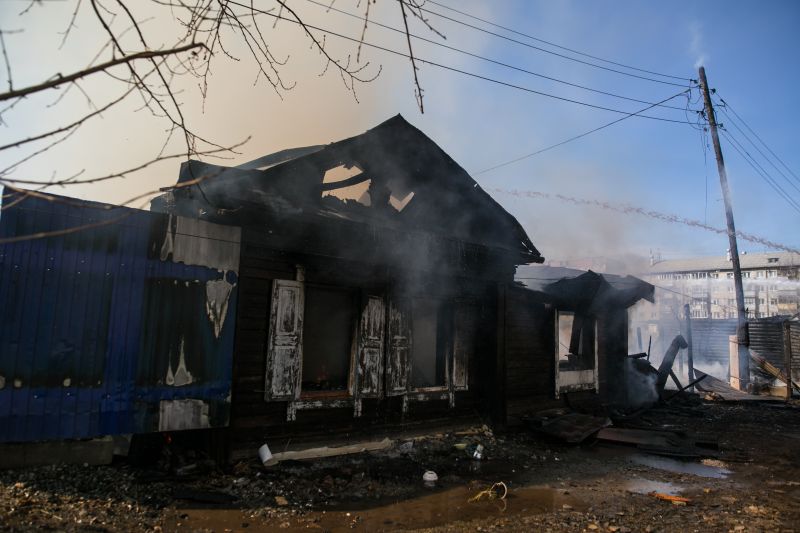
Rebuilding after fire damage.
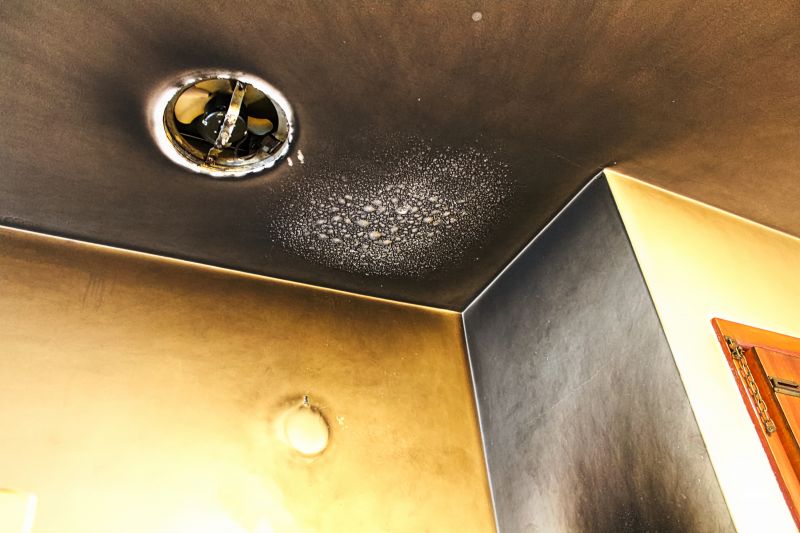
Removing smoke residues from walls.

Restoring personal belongings after a fire.
Fire restorations involve a comprehensive process that includes debris removal, smoke and soot cleaning, structural repairs, and content restoration. The goal is to return the property to a safe and habitable condition while minimizing further damage. Proper timing can influence the efficiency and cost-effectiveness of the restoration process.
| Season | Advantages |
|---|---|
| Spring | Moderate weather, longer daylight hours, and lower humidity facilitate efficient restoration. |
| Fall | Cooler temperatures and dry conditions help prevent delays caused by weather. |
| Summer | Potential for heat and humidity can slow down drying and cleaning processes. |
| Winter | Cold temperatures and potential for snow may hinder outdoor restoration activities. |
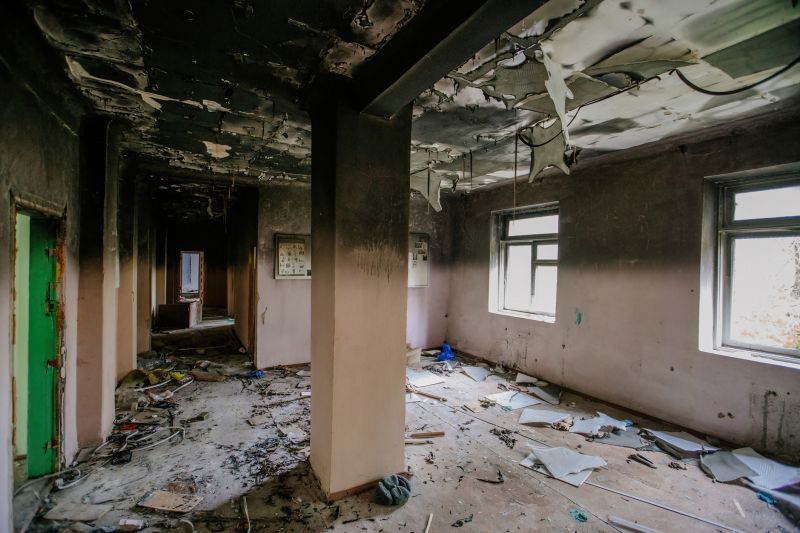
Initial damage assessment after a fire.
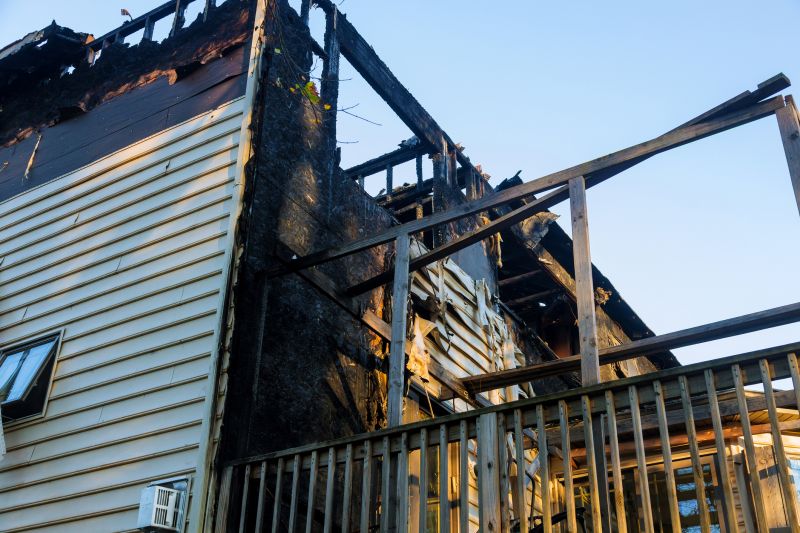
Rebuilding structure after fire damage.
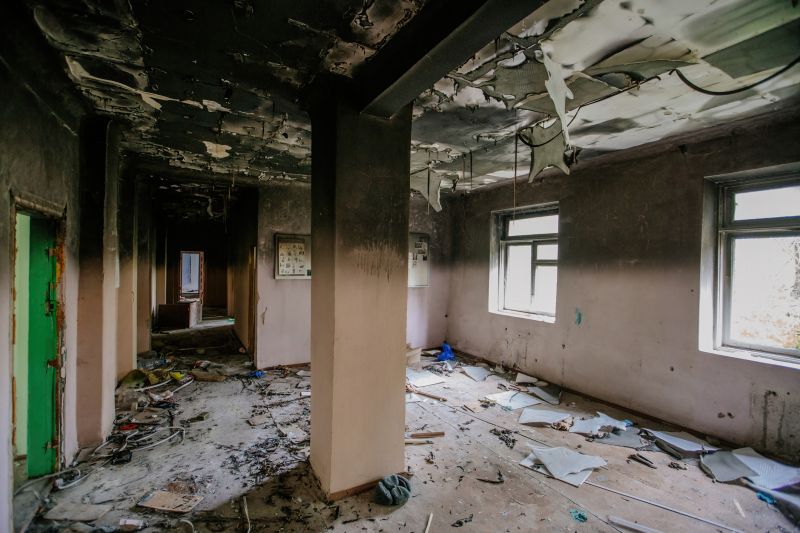
Removing soot from surfaces.
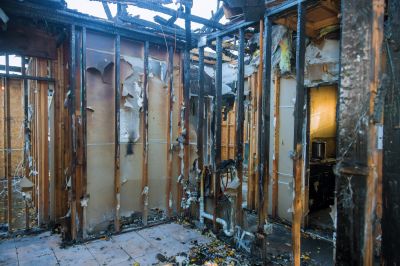
Ensuring complete restoration and safety.
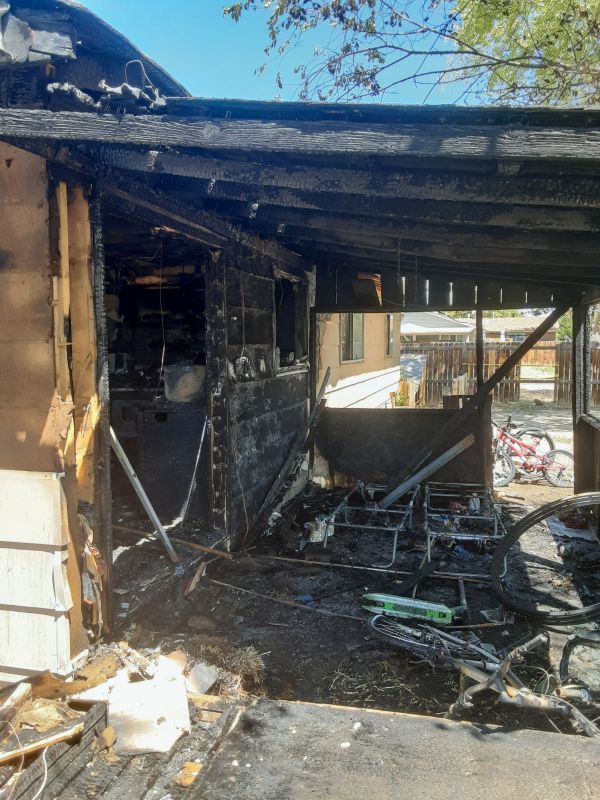
Reconstruction of fire-damaged structures.
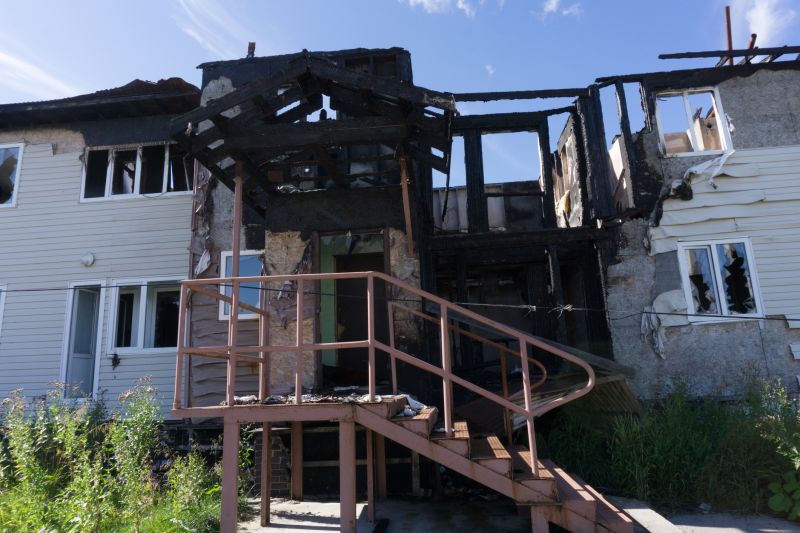
Mitigating smoke damage in affected areas.
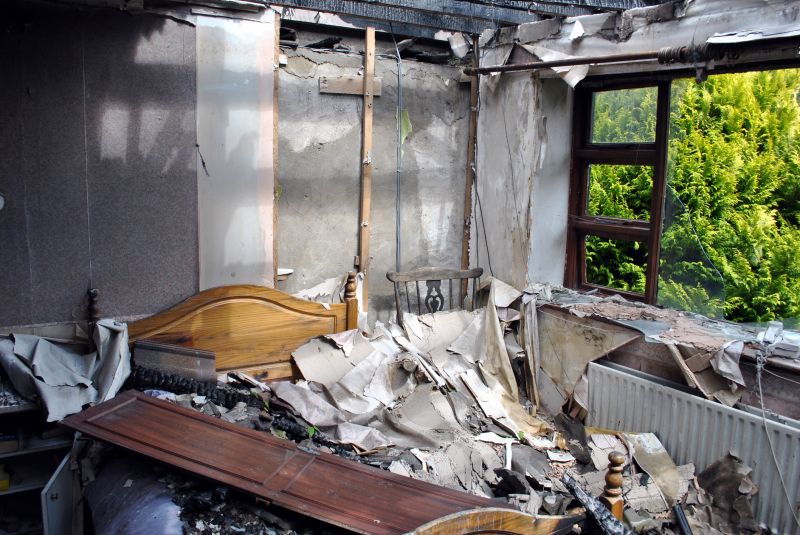
Restoring personal belongings after fire.
Interested property owners can contact for detailed assessments and to discuss the best timing for fire restoration projects. Proper planning and expert guidance can ensure a smoother restoration process tailored to specific needs.